December 10, 2025
By Jose Guittirez | December 10, 2025
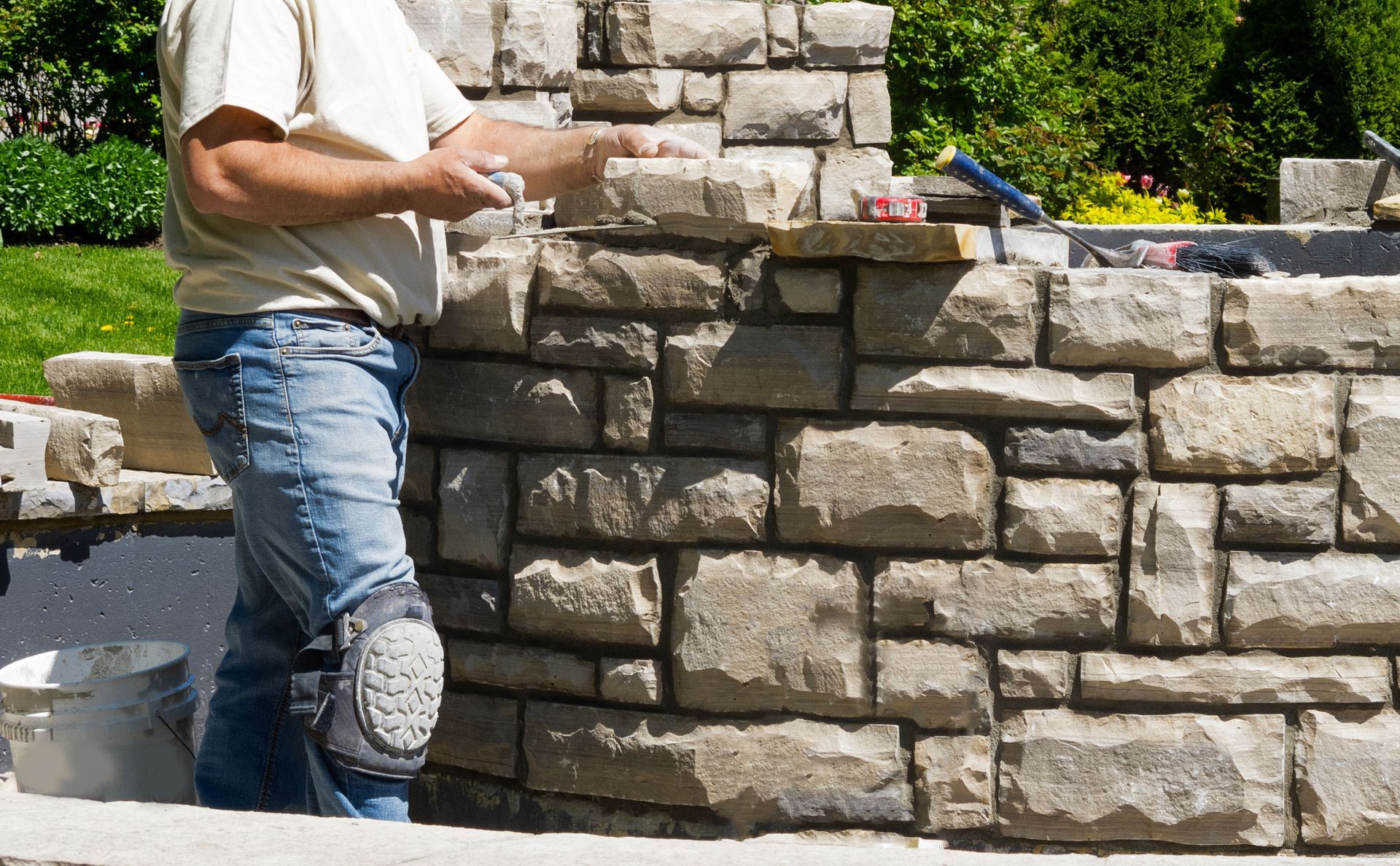
Retaining wall construction has gained significant momentum in recent years. This article explores the reasons behind its growing popularity, examining factors ranging from functionality to aesthetic appeal. With many individuals and businesses seeking efficient solutions to various landscaping and structural challenges, retaining walls have become a favored option. They address issues related to soil erosion, land usability, and water management, among others. This comprehensive overview aims to shed light on how retaining walls have become a staple in modern construction and landscaping projects.
Functional Benefits of Retaining Walls
Retaining walls play a crucial role in controlling soil erosion, a common problem in areas with uneven terrain. By holding back soil, these structures prevent it from washing away and thereby help maintain landscape stability. They are especially important in regions prone to heavy rainfall, where soil erosion can be a major concern. Additionally, retaining walls provide a barrier against wind erosion, which can also significantly degrade landscapes over time. Used in both residential and commercial landscaping, they offer an effective solution for erosion control.
Another essential function of retaining walls is water management, which is achieved by directing the flow of water away from certain areas. This is particularly useful in preventing water from pooling in unwanted places, which can lead to property damage and other issues. Retaining walls can be designed with built-in drainage systems, allowing water to be managed effectively. Proper water drainage is crucial, as it helps maintain the structural integrity of properties and landscapes. By reducing water-related problems, retaining walls offer peace of mind to property owners.
One of the remarkable benefits of retaining walls is their ability to create additional usable land space. By leveling terrains and reinforcing steep slopes, retaining walls make areas accessible and functional for various uses. This transformation of otherwise unusable land opens up possibilities for gardens, patios, and other developments. Moreover, landowners can maximize the use of their property by expanding outdoor living spaces. As urban areas become more crowded, optimizing land use through retaining walls has become increasingly important.
Retaining walls offer critical structural support, particularly in areas where land needs to be stabilized. They prevent land from collapsing, which can pose safety hazards and structural damage to nearby buildings. According to This Old House, a four-foot-high, 15-foot-long wall could be holding back as much as 20 tons of saturated soil. This staggering amount of pressure highlights why engineering, design, and material selection must be done with precision. By reinforcing structurally weak areas, retaining walls provide a solid foundation for construction projects. They also play a pivotal role in supporting roads, parking lots, and other infrastructure. Their function as a stabilizing force helps ensure the longevity and safety of various structures.
The presence of retaining walls can significantly enhance the safety of landscapes, making outdoor areas more secure for occupants. By mitigating erosion and landslide risks, these structures protect both people and properties. In residential areas, retaining walls contribute to the overall safety of the environment by ensuring stable terrains. For public spaces such as parks and recreational facilities, they play a crucial role in risk management. Their installation provides a safe and stable environment for various activities.
Aesthetic Appeal of Retaining Walls
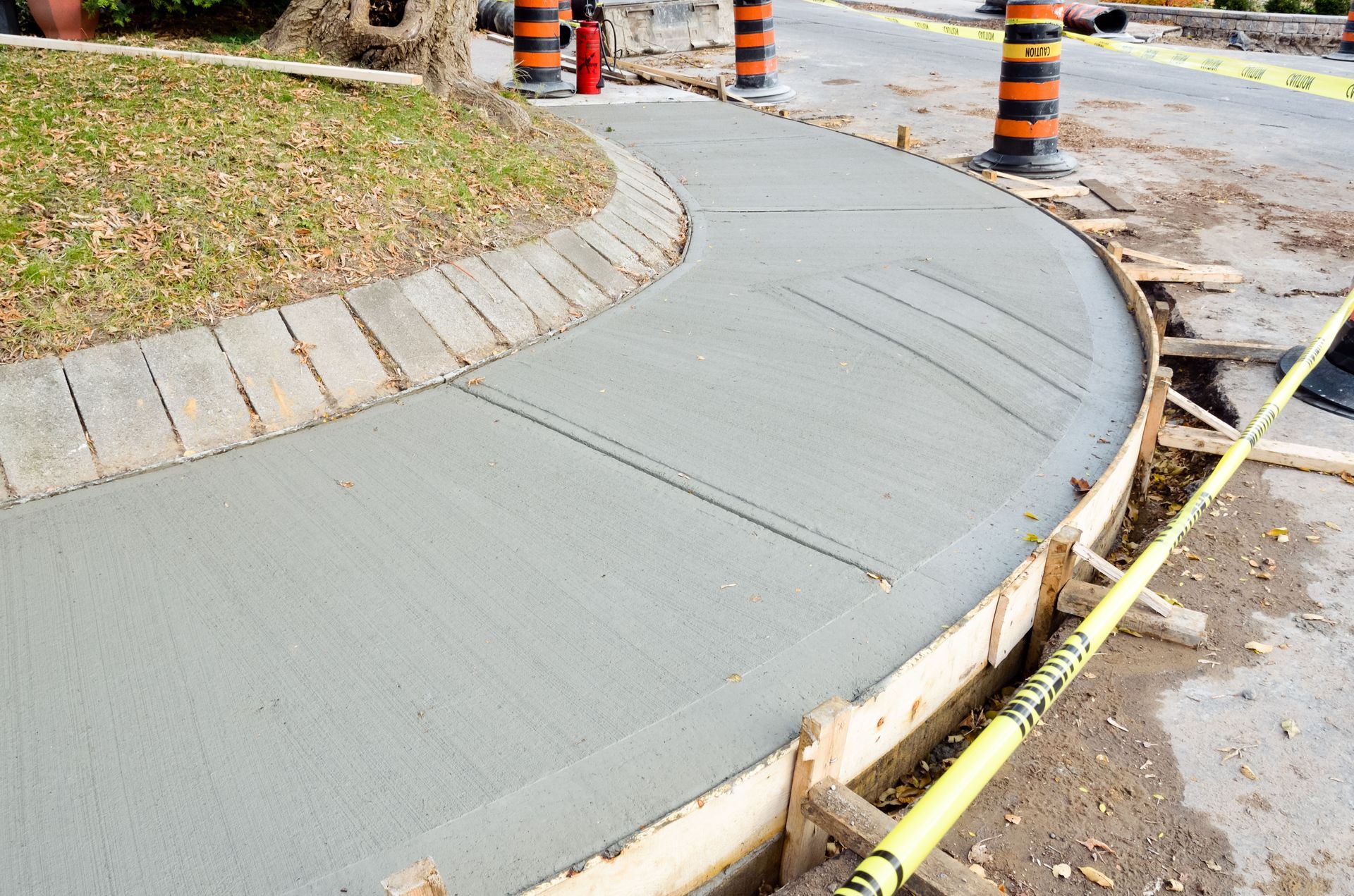
Retaining walls are available in a wide array of materials, allowing for diverse aesthetic expressions. Common materials include concrete, stone, brick, and timber, each bringing a unique look and feel to the landscape. Concrete is often favored for its durability, making it a popular choice. Different materials can be selected to match or complement existing architectural elements. The versatility in material choice makes retaining walls suitable for a range of design styles.
The ability to customize retaining wall designs enhances their appeal, allowing them to fit personalized aesthetic preferences. From traditional to modern designs, retaining walls can be tailored to particular tastes and functionalities. Creative design options include textured finishes, curved structures, and tiered layers that add depth and interest. Customization enables property owners to express individuality and creativity in their landscapes. The design possibilities allow for the incorporation of features that enhance both visual appeal and functionality.
Retaining walls are designed to integrate seamlessly into their natural surroundings, enhancing the overall landscape harmony. They can be crafted to blend with existing vegetation, topographical features, and surrounding architecture. This integration not only augments aesthetic appeal but also ensures environmental cohesiveness. Moreover, by complementing the natural environment, retaining walls can enhance the ecological value of a site. By preserving and incorporating natural elements, these structures contribute to the beauty and sustainability of landscapes.
Economic Advantages
Retaining walls offer cost-effective solutions for a variety of landscape and construction needs. Their ability to optimize land use and provide functional benefits often outweighs the initial installation costs. In the long run, retaining walls can save money by reducing soil erosion and avoiding land instability issues. Additionally, the durability of materials like concrete ensures that retaining walls require fewer repairs and replacements. Thus, they represent a financially sound investment for property owners.
Investing in retaining walls is a strategic decision for long-term property enhancement. With proper design and construction, these structures can last for decades, providing continuous benefits. They contribute to land stabilization, water management, and erosion control over extended periods. The longevity of retaining walls means that they offer enduring value, enhancing the sustainability of landscapes. Furthermore, the upfront investment in retaining walls can lead to cumulative economic benefits over time.
One of the economic advantages of retaining walls is their low maintenance requirements. Once constructed, retaining walls typically require minimal upkeep to maintain their functionality and appearance. Unlike other landscape features that may need regular care, retaining walls are designed for durability and resilience. Occasional inspections and minor repairs are usually sufficient to ensure their longevity. This low-maintenance nature reduces ongoing expenses for property owners.
Environmental Considerations
In constructing retaining walls, sustainable material choices are paramount to minimizing environmental impact. Materials like recycled concrete, natural stone, and sustainably sourced timber contribute to eco-friendly practices. These materials not only provide durability but also support environmental preservation efforts. Choosing sustainable materials for retaining walls can lead to a reduction in the carbon footprint of construction projects. As environmental awareness grows, opting for green building practices in retaining wall construction becomes increasingly significant.
Retaining walls can be designed to support and enhance local ecosystems, offering habitats for various species. By incorporating plants and vegetation into the wall design, these structures can become part of the natural environment. This integration helps maintain biodiversity and provides opportunities for wildlife habitation. Retaining walls also contribute to soil stabilization, aiding in the preservation of native plant species. By promoting ecosystem health, they play a role in environmental conservation and sustainability.
Effective erosion and sediment control are key environmental benefits of retaining walls. By preventing soil displacement, these structures help maintain water quality by reducing sediment runoff into water bodies. Erosion control is vital for protecting aquatic habitats and preserving the natural landscape. Additionally, maintaining soil in its natural place aids in the prevention of landslides and soil degradation. This environmental benefit underscores the importance of retaining walls in sustainable land development projects.
The increasing popularity of
retaining wall construction can be attributed to its multifunctional benefits, including practical, aesthetic, economic, and environmental advantages. Retaining walls offer invaluable solutions for soil erosion control, water management, space creation, and aesthetic enhancements. Technological advancements and adherence to regulations further bolster their appeal and effectiveness. As technology evolves and standards become more stringent, retaining walls will continue to be a key component in sustainable landscape design projects. Their widespread adoption speaks to their critical role in modern infrastructure development and environmental conservation. Contact GTZ Construction & Landscaping today for more information.